Entry · Ref XDNTY6C4
Why a GPS Medical Alert Could Be the Right Choice for Your Loved One
- Posted
- 2026-10-10
- Last amended
- 2026-10-10
- Account
- @gpsmedicalalertinsight
When my mother first started talking about "that button" she had to wear around her neck, I could tell she felt uneasy. She is in her late seventies, still sharp, still gardening on good days. But after a fall in the bathroom two years ago that left her on the floor for four hours, we both knew something had to change. That is how our family stumbled into the world of medical alarms. And that is how I learned the difference between a simple emergency button and a proper GPS medical alert system.
For seniors in New Zealand, the choice is not just about pressing a button when something goes wrong. It is about staying connected, staying independent, and giving the people who love you some peace of mind without taking away your freedom. A basic medical alarm works fine inside the home. But life does not stop at the front door. That is where GPS tracking changes everything.
What Makes a GPS Medical Alert Different
A standard medical alarm is a wearable device, often a pendant or a wristband, that connects to a base station in the home. You press the button, and it calls a monitoring centre or a family member. It works well if you are in the kitchen or the garden. But if you are at the shops, visiting a friend, or taking a walk along the beach, that base station cannot hear you. That is the limitation that a GPS medical alert solves.
These devices use real-time location technology to pinpoint where you are, even if you are far from home. The pendant itself contains a GPS chip and a cellular connection, so when the button is pressed, the alert carries your location along with it. For someone who still drives, still meets friends for coffee, or still tends a community garden plot, this feature is not a luxury. It is a practical safety net.
I remember reading about a woman in Hamilton who got lost on a bush walk. She had her medical alarm pendant on, but it was a basic model that only worked within range of her home base. Her family spent hours searching before they found her, dehydrated and shaken. If she had been wearing a GPS-equipped pendant, help could have been dispatched to her exact location within minutes. Stories like that stick with you.
Real-Time Location and Family Monitoring
One of the most reassuring aspects of a GPS medical alert is the ability for family members to see where their loved one is, without being intrusive. Many systems, including those offered by New Zealand providers like Familyr, include family monitoring. That means a son in Wellington or a daughter in Christchurch can receive a notification when the alarm is activated, along with the wearer's location on a map.
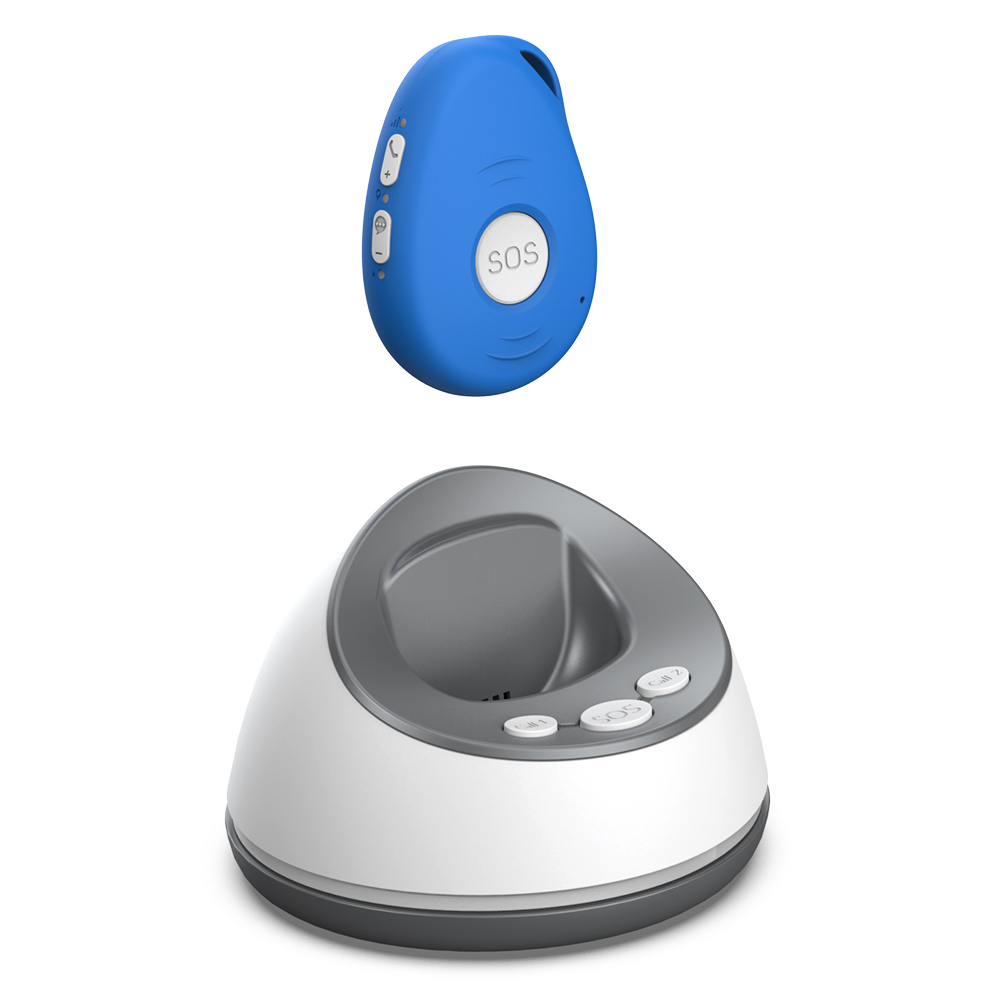
This is not about surveillance. It is about knowing that if something happens, you are not left guessing. My father-in-law has a heart condition that can flare up without warning. He still walks to the dairy every morning. With a GPS pendant, his daughter can see his location if he presses the button, and she knows exactly where to send the ambulance. That kind of simple, direct information saves time, and in an emergency, time is everything.
Most GPS medical alert pendants are waterproof, too, which is important for seniors who might slip in the shower or while watering plants. The devices are built for everyday wear, not just for show. They are small, lightweight, and designed to be worn all day without getting in the way.
Fall Detection and Two-Way Calling
Falls remain the leading cause of injury among older adults. The statistics from St John and other emergency services in New Zealand show that a large percentage of call-outs for seniors involve a fall at home or nearby. That is why many medical alarms now include automatic fall detection. The pendant senses the impact and angle of a fall and triggers an alert even if the person cannot press the button.
That feature matters more than most people realise. After a fall, a person might be disoriented, in pain, or unconscious. A pendant that can detect that fall and send a GPS medical alert with the location gives them a chance even when they cannot speak. The system then allows for two-way calling, so the monitoring team or a family member can talk directly through the pendant. They can ask if the person is okay, reassure them that help is on the way, or gather more details about the situation.
Two-way calling turns a simple button into a communication tool. Instead of just sending a silent alarm, the wearer can speak and be heard. That is a huge comfort for someone who lives alone. My neighbour, a retired teacher in her eighties, told me she feels safer just knowing she can talk to someone if she needs to. She has worn her pendant for three years and never needed to use it in an emergency, but the peace of mind alone is worth it.
No Monthly Fees and the New Zealand Context
One detail that surprised me when researching medical alarms was the cost model. Many traditional systems, especially those from big international names like Lifeline, Telecare, or Philips, charge a monthly monitoring fee. That can add up, especially for someone on a fixed pension. But some New Zealand providers, such as Familyr, offer devices with no monthly fees. You buy the pendant once, and that is it. The monitoring is done through the family, which keeps costs down and puts control where it belongs.

This model works particularly well for families who are already involved in the day-to-day care of an older relative. You do not need a call centre in another country. You just need a reliable wearable device that sends alerts to the people who care. The device itself connects through the cellular network, using standard SIM technology, so it works wherever there is mobile coverage in New Zealand. That includes most rural areas, though coverage can be patchy in very remote spots. It is worth checking the network coverage in your loved one's area before buying.
The devices are compatible with both Apple and Android smartphones, though many seniors prefer the simplicity of a dedicated pendant that does not require a phone. The pendant works on its own, so there is no app to manage, no battery to charge every night. Just wear it, and it is ready.
What to Look for in a Medical Alarm Pendant
If you are considering a GPS medical alert for a parent or grandparent, there are a few things to keep in mind. First, battery life. Some pendants need charging every day, others last a week or more. Look for one that gives you clear low-battery warnings. Second, water resistance. A pendant that cannot go in the shower is a pendant that will be taken off at the worst possible moment. Third, the size and weight of the wearable device. A bulky pendant will end up in a drawer. A slim, unobtrusive one will actually be worn.
Also consider how the alert is sent. Some pendants use Wi-Fi, some use cellular, and some use a mix. For a GPS medical alert to work outside the home, it needs a cellular connection. That is non-negotiable. The best systems combine cellular for outdoor use with a home base station for reliable indoor coverage. That way, the device works everywhere without gaps.
Finally, think about who gets the alert. If the plan is family monitoring, make sure the system allows multiple contacts. A fall might happen when the primary contact is at work or asleep. A good system will notify a list of people until someone responds. That redundancy is what makes the difference between a false alarm and a missed emergency.
The Practical Side of Wearing a Pendant
I will be honest. Getting an older person to wear any kind of medical device consistently can be a challenge. My mother-in-law refused to wear her pendant because she said it looked like a prison tag. That is a real objection, and it is worth listening to. The newer pendants from brands like Familyr and others are designed to look more like a piece of jewellery or a simple tech accessory. Some even come in different colours. Let the person choose. It sounds small, but it makes a difference.

Another practical tip: set up the system together. Test the GPS tracking by pressing the button while the person is out in the garden or at the local park. Show them that the alert reaches you, and that you can see their location on a map. That demonstration builds trust. It also helps you spot any dead zones or coverage issues before they matter.
Is a GPS Medical Alert Right for Everyone?
No. If your loved one never leaves the house and has a strong support network at home, a basic medical alarm with a good range might be enough. But for anyone who still values independence, who still goes out, who still wants to feel like themselves rather than a patient, a GPS medical alert is a better fit. It lets them live their life while giving the family a quiet safety net.
I have seen the difference it makes in my own family. My mother now wears her pendant every day. She walks to the library, visits her sister, and even goes to the local markets alone. I still worry, but I worry less. And she feels in control. That is what a good medical alarm should do. It should not take away freedom. It should make freedom safer.